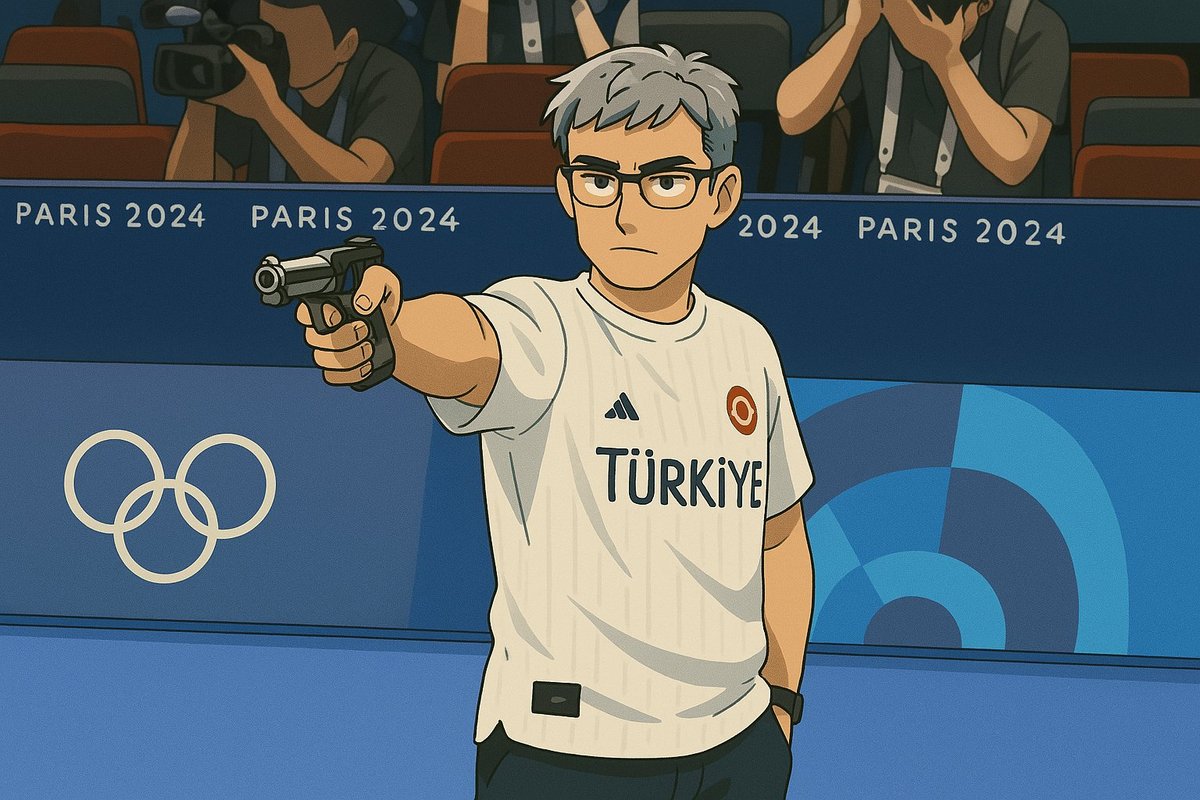
The enchanting world of Studio Ghibli, with its vibrant colors, lush landscapes, and deeply expressive characters, has captivated hearts for decades. Imagine transforming your own photos or ideas into this beloved art style. Today, that magic is within reach, thanks to a growing array of AI tools designed to emulate the Ghibli aesthetic. But how do you navigate this exciting new frontier, especially when faced with a choice between free and paid options? This comprehensive guide dives into Comparing Ghibli AI Tools (Free vs. Paid), helping you understand their nuances, benefits, and limitations so you can pick the perfect companion for your creative journey.
Whether you’re a lifelong Ghibli fan, an artist looking for inspiration, or just curious about AI’s artistic capabilities, understanding the landscape of Ghibli AI generators is key. We’ll explore what makes Ghibli art so special, dissect the features of prominent tools, and arm you with the knowledge to make an informed decision about where to invest your time (and possibly your money).
At a Glance: Free vs. Paid Ghibli AI Tools
- Paid Tools (e.g., dedicated Ghibli AI): Often offer higher authenticity, more consistent results, greater control, faster processing, and fewer limitations. Ideal for serious projects or frequent use.
- Free Tools (e.g., ChatGPT, Grok, Fotor): Excellent for experimentation, casual fun, and those on a budget. May have usage limits, less precise stylistic control, or slight variations from the true Ghibli aesthetic.
- Quality: Paid solutions generally provide a more refined, "on-brand" Ghibli look. Free options can range from surprisingly good to more generic "anime-style" interpretations.
- Customization: Paid tools tend to offer deeper customization for color palettes, mood, and specific elements. Free tools might have predefined styles or limited sliders.
- Accessibility: Free tools are easy to jump into with no commitment. Paid tools might require a subscription or one-time purchase.
The Soul of Studio Ghibli: What AI Aims to Recreate
Before we pit algorithms against each other, let’s ground ourselves in what makes Ghibli art so universally adored. Studio Ghibli, co-founded by Hayao Miyazaki, Toshio Suzuki, and Isao Takahata in 1985, crafted a visual language that's instantly recognizable. When an AI tool claims to generate "Ghibli art," it's striving to capture these key characteristics:
- Vibrant and Thoughtful Colors: Not just bright, but rich palettes that evoke mood and enhance emotional depth. Think of the warm glow of a sunset in Spirited Away or the verdant greens of My Neighbor Totoro.
- Exquisite, Detailed Backgrounds: From the intricate machinery of Castle in the Sky to the sprawling, fantastical forests of Princess Mononoke, Ghibli backgrounds are characters unto themselves. They build immersive worlds with incredible attention to detail.
- Expressive, Relatable Characters: Fluid animation ensures characters convey a wide spectrum of human emotions, making them feel incredibly real and resonant, even when they're fantastical beings.
- Environmental Harmony and Whimsy: A deep reverence for nature and a recurring emphasis on environmental themes are hallmarks. This often intertwines with whimsical, fantastic elements like magical creatures, spirits, and surreal landscapes that invite wonder.
- Cultural Echoes: Subtle and overt influences from Japanese folklore, traditions, and everyday life are woven into the fabric of their worlds, adding layers of depth and authenticity.
An effective Ghibli AI tool isn't just applying a filter; it's attempting to understand and synthesize these complex artistic principles into a new image.
The Specialized Approach: Understanding Dedicated Ghibli AI Tools (Paid Options)
When you encounter a tool explicitly named "Ghibli AI," you're often looking at a specialized solution designed with a singular purpose: to transform your input into that distinct Studio Ghibli aesthetic. These tools typically leverage advanced AI algorithms specifically trained on vast datasets of Ghibli films and artwork.
Ghibli AI: The Focused Converter
Dedicated platforms like "Ghibli AI" (as described in our context) are built for convenience and authenticity. Their primary goal is to convert standard photographs—be it a landscape, a portrait, or a mundane everyday scene—into Ghibli-style artwork.
- How They Work: The process is typically straightforward. You upload your picture, often via a simple drag-and-drop interface or file selection, and then with a click of a "Transform" or "Generate" button, the AI gets to work.
- Key Strengths:
- Authentic Stylization: These tools aim for a very specific Ghibli look, often characterized by soft color palettes, dreamlike qualities, and an emphasis on details that mimic the hand-drawn feel. They are less likely to produce generic "anime" and more likely to capture the specific Ghibli vibe.
- Ease of Use: Designed for broad appeal, they prioritize a user-friendly experience, minimizing the need for complex prompts or artistic skills.
- Specialized Focus: Because they're built solely for Ghibli conversion, their algorithms are fine-tuned for this specific task, potentially leading to more consistent and higher-quality results for that style.
While primarily operating as paid tools, many dedicated Ghibli AI generators understand the need for a trial. For example, some platforms allow you to convert one image for free, giving you a taste of their capabilities before committing to a subscription or purchase. This "try before you buy" model is an excellent way to assess if the tool's quality aligns with your expectations.
The Accessible Frontier: Navigating Free Ghibli AI Tools
The rise of general-purpose AI art generators has opened the floodgates for creating Ghibli-inspired art without spending a dime. These tools often integrate Ghibli as one of many available styles, leveraging powerful text-to-image or image-to-image capabilities.
"Free Ghibli" – The Feature-Rich Platform
Beyond the top 5 listed below, some platforms explicitly call themselves "Free Ghibli" and aim to provide robust functionality without a price tag. These typically stand out for their flexibility.
- How They Work: These platforms can generate Ghibli-style illustrations from either text descriptions (like "a majestic castle on a floating island, Ghibli style") or by taking an existing image and applying the style.
- Customization Prowess: A significant advantage of some "Free Ghibli" platforms is their robust customization. You might find sliders for style intensity, options for specific color palettes, and even toggles to incorporate magical or fantastical elements, giving you more creative control than a simple conversion tool.
- High-Resolution Output: Many free tools are now capable of producing high-resolution images, making them suitable for various applications, from desktop wallpapers to social media posts, all without needing prior artistic skills.
Now, let's look at some of the most prominent multi-purpose AI generators that offer Ghibli stylization for free.
Top 5 Free Ghibli Image Tools: A Closer Look
When it comes to free options, you’ll often find Ghibli style integrated into broader AI art platforms. These tools are fantastic for experimentation, but each comes with its own quirks and limitations.
- ChatGPT (with image generation capabilities)
- The Powerhouse Assistant: While primarily known for its conversational AI, advanced versions of ChatGPT (like those powered by DALL-E 3) can generate Ghibli-style images. Its strength lies in its ability to understand nuanced prompts.
- How to Convert: Upload your image, then enter a detailed prompt describing your desired picture, making sure to explicitly include "in Studio Ghibli style" or similar phrasing. Click "Generate," and see what it cooks up.
- Limitations: Free users often face significant limitations. This might include a cap of 2-3 images per day, with enforced waiting periods (5-10 minutes) between generations. This isn't ideal for rapid prototyping or high-volume creation. You might need a paid subscription to fully unleash its image generation potential, making the distinction fuzzy for intensive users.
- Grok (from X/Elon Musk)
- The Whimsical Weaver: Grok, known for its unique AI personality, also enters the AI art arena, capable of creating diverse styles, including charming Ghibli-inspired visuals.
- How to Use: Upload your image, then either select a predefined Ghibli style from available options (if provided) or craft a text prompt to guide the AI. Click "Generate."
- Insight: Grok often produces Ghibli art images with beautiful colors and a genuine whimsical quality, capturing that signature dreamlike atmosphere. A definite plus for curious users: you can typically generate two images without even needing to sign up, making it a quick way to try the free Ghibli AI generator and get a feel for its capabilities.
- Deep Dream Generator
- The Psychedelic Stylist: Deep Dream Generator is a pioneer in AI art, known for its "dream-like" interpretations. It can adapt images into various styles, including Ghibli.
- How to Convert: Upload your image, then select the Ghibli style from its list of options or input a text prompt. Click "Generate."
- Note: One common observation with Deep Dream Generator is that the generated image might have slight differences or unique artistic interpretations compared to the original, which can be either a creative feature or a deviation from expected accuracy, depending on your goal. It might not always nail the exact Ghibli aesthetic but often produces something artistically interesting.
- Fotor
- The All-in-One Editor: Fotor is a popular online photo editor that has expanded into AI image generation, offering a range of styles, including Ghibli. It's often praised for its user-friendly interface.
- How to Use: Visit Fotor’s website, navigate to its AI image generator, and specifically select the Ghibli style option. Upload your image and click "Update" or "Generate."
- Insight: The processing time can vary significantly based on your image size and complexity, as well as the current server load. While generally efficient, large files or high demand can lead to longer waits. Fotor's strength lies in its integration with other editing tools, allowing you to fine-tune your Ghibli creation post-generation.
These free tools serve as excellent entry points, offering a taste of Ghibli magic without financial commitment. However, their free nature often comes with trade-offs in terms of usage limits, processing speed, or the precise fidelity to the Ghibli style.
The Big Showdown: Free vs. Paid – Key Decision Points
Choosing between free and paid Ghibli AI tools boils down to several critical factors. Think of these as your personal decision criteria.
1. Authenticity and Stylistic Fidelity
- Paid Tools (e.g., dedicated Ghibli AI): Generally excel here. Because they are often trained specifically on Ghibli artwork, their algorithms are fine-tuned to replicate the distinct color palettes, line work, and overall mood with greater accuracy. You're more likely to get results that truly feel like they could be stills from a Ghibli film.
- Free Tools: Can be a mixed bag. While many are capable of producing "Ghibli-esque" images, they might sometimes lean towards a more general anime style, or miss some of the subtle nuances that define Ghibli's unique aesthetic. Consistency can also be an issue; one generation might be spot-on, while the next feels slightly off.
2. Features and Customization
- Paid Tools: Often offer a richer set of features. This can include:
- More granular control over style intensity, color grading, and specific artistic elements.
- Higher output resolutions suitable for printing or professional use.
- Batch processing capabilities for converting multiple images efficiently.
- Advanced options like removing watermarks or generating variations of a single image.
- Exclusive styles or artistic filters.
- Free Tools: Typically provide more basic customization options. You might get a slider for "style strength" or a few preset palettes. While some free platforms (like the "Free Ghibli" mentioned) offer robust controls, general-purpose tools like ChatGPT or Grok often rely more on the prompt itself to guide the style, with fewer post-generation adjustment options.
3. Speed, Convenience, and Limitations
- Paid Tools: Prioritize a smooth, efficient user experience. You usually benefit from:
- Faster processing times, as you're often getting priority access to computing resources.
- No daily limits on generations or lengthy waiting queues.
- Dedicated customer support.
- An ad-free experience.
- Free Tools: Often come with built-in limitations to manage server load and encourage paid subscriptions. These can include:
- Daily generation caps (e.g., 2-3 images per day for ChatGPT).
- Mandatory waiting periods between generations.
- Slower processing speeds during peak usage times.
- Watermarks on generated images.
- Less reliable server uptime or performance.
4. Cost vs. Value Proposition
- Paid Tools: The cost can range from a few dollars per month for a subscription to a one-time purchase for specific credit packs. The value comes from superior quality, consistency, features, and an uninterrupted workflow. If you need high-quality Ghibli art regularly or for important projects, the investment is often justified.
- Free Tools: The obvious benefit is zero monetary cost. Their value lies in accessibility and the ability to experiment without commitment. They are perfect for casual users, students, or those simply exploring the possibilities of AI art. However, the "cost" might be paid in time (waiting for generations), creative frustration (less control), or compromise on quality. For quick, fun conversions, you can't beat the price tag.
Who Should Use What? Making Your Ghibli AI Choice
Your ideal Ghibli AI tool depends entirely on your needs, budget, and creative aspirations.
Go Free If:
- You're just starting out or curious: You want to dip your toes into Ghibli AI without any financial commitment.
- Your needs are casual: You're generating images for personal enjoyment, social media posts, or simply to see what your pet looks like in a Ghibli style.
- You have patience: You don't mind waiting for generations or adhering to daily limits.
- "Ghibli-esque" is good enough: You're happy with results that capture the spirit of Ghibli, even if they aren't pixel-perfect imitations.
- You enjoy tinkering with prompts: Tools like ChatGPT require good prompting skills, which can be a fun challenge.
Free tools offer a fantastic playground to experiment and discover. Platforms like Grok, with its option to try the free Ghibli AI generator without even signing up, make it incredibly easy to jump in.
Invest in a Paid Tool If:
- You demand authentic Ghibli quality: Your projects require the closest possible replication of the Studio Ghibli style.
- Consistency is crucial: You need reliable, high-quality results across multiple images.
- You require high-resolution output: For printing, professional design, or detailed artwork, paid tools often deliver superior resolution.
- You need advanced customization: You want fine-grained control over colors, mood, and specific stylistic elements.
- Time is of the essence: You can't afford to wait for generations or deal with daily limits.
- You're a professional or artist: You're integrating Ghibli AI into your workflow for commercial projects, concept art, or illustrations.
- You want an uninterrupted, ad-free experience.
For those who frequently generate Ghibli-inspired art or have specific quality benchmarks, a dedicated paid tool will likely provide a more satisfying and efficient experience.
Getting the Best Results, No Matter the Tool
Regardless of whether you choose a free or paid Ghibli AI tool, a few best practices will significantly improve your output:
- Start with a High-Quality Source Image (for image-to-image): Garbage in, garbage out. A clear, well-lit, and in-focus photograph will always yield better Ghibli conversions than a blurry or poorly composed one. The AI has more detail to work with.
- Understand Ghibli Aesthetics: Re-familiarize yourself with the core characteristics discussed earlier. This helps you anticipate how the AI should interpret your image or prompt, and what to look for in the results.
- Be Specific with Your Prompts (for text-to-image): Don't just say "Ghibli style." Add details: "a serene forest with glowing moss, misty morning, Ghibli studio style, highly detailed," or "a young girl with a red bow, sitting on a giant furry creature, warm light, expressive, Hayao Miyazaki style." The more descriptive you are, the better the AI can interpret your vision.
- Experiment with Settings: If your chosen tool offers sliders for "style intensity," "color palette," or "magical elements," play with them! Small adjustments can dramatically change the outcome. Don’t be afraid to experiment with the free Ghibli AI generator to understand these nuances.
- Iterate and Refine: AI art generation is often an iterative process. Generate a few options, pick the best one, and use it as a starting point for further refinement or additional generations.
Common Questions About Ghibli AI Art
Let's address some frequently asked questions that pop up in the world of AI-generated Ghibli art.
Is Ghibli AI Legal/Ethical?
The broader legality and ethics of AI art are complex and evolving. Using AI to generate art inspired by Ghibli is generally fine for personal use. However, issues of copyright and artistic integrity arise when AI models are trained on copyrighted works without permission. If you intend to use AI-generated Ghibli art commercially, you should meticulously check the terms of service of the specific AI tool you're using. Many tools have strict commercial use policies, and you should always be mindful of Studio Ghibli's intellectual property.
Can I Use Ghibli AI Art Commercially?
This is a critical point that depends entirely on the specific AI tool's licensing and terms of service.
- Free tools often have limitations that prevent commercial use or require attribution. They might retain some ownership over the generated images.
- Paid tools typically offer more generous commercial licensing options, especially with their higher-tier subscriptions. Always read the fine print! It's also crucial to remember the potential for legal challenges regarding the "Ghibli style" itself if your commercial use too closely mimics their copyrighted works. Always err on the side of caution and consult legal advice if in doubt.
What's the Best Ghibli AI Tool for Beginners?
For absolute beginners, a free, user-friendly tool like Fotor (given its integration with other editing features) or Grok (for its quick, no-signup generation) are excellent starting points. They offer straightforward interfaces that minimize complexity, allowing you to focus on the fun of creation rather than wrestling with advanced settings. You can try a free Ghibli AI generator to quickly get familiar with the process.
Do these tools create animations or just still images?
Currently, most Ghibli AI tools primarily focus on generating still images. While AI is advancing rapidly in animation, creating full Ghibli-style animations is a significantly more complex task that few, if any, consumer-grade AI tools offer in a robust, user-friendly format. Some tools might offer short, looping animations or transitions, but not feature-film length animation.
Your Next Steps in Ghibli AI: Experiment and Create!
The world of Ghibli AI tools is vibrant, constantly evolving, and brimming with creative potential. Whether you're drawn to the budget-friendly experimentation of free platforms or the polished authenticity of paid, specialized generators, there's a tool out there to bring your Ghibli-inspired visions to life.
Don't let the sheer number of options overwhelm you. Start by identifying your primary goal: Is it casual fun, or a serious project? Then, pick a tool that aligns with that goal, understanding its strengths and limitations. Remember to try out a free Ghibli AI generator first to get a feel for the technology before making any commitments.
The magic of Studio Ghibli lies not just in its stunning visuals, but in the emotions and stories they evoke. Now, with the power of AI, you have a new way to interact with and contribute to that magic. So, go forth, experiment, create, and share your own enchanting Ghibli-style worlds!