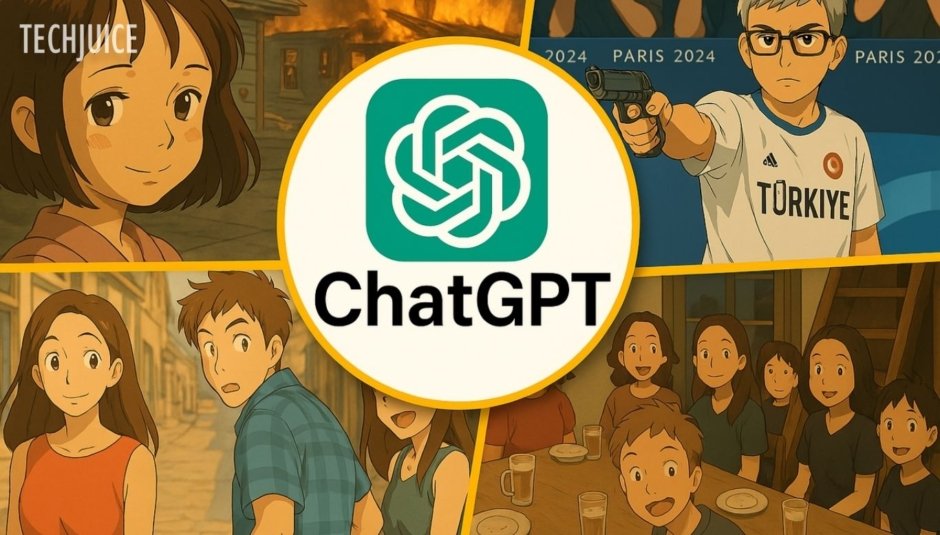
If you've scrolled through social media recently, you've likely stopped, mesmerized, by an image that feels instantly familiar yet utterly new. Perhaps it was a selfie transformed into a whimsical, hand-drawn portrait, or a mundane cityscape reimagined with an ethereal glow and impossibly rich textures. This is the magic of Ghibli AI art technology, a phenomenon that has swept the digital world, allowing creators to tap into the enchanting aesthetic of Studio Ghibli with unprecedented ease.
This isn't just a fleeting trend; it's a powerful convergence of nostalgia, cutting-edge machine learning, and human creativity that's reshaping how we perceive and create digital art. For anyone looking to understand this viral movement – its origins, mechanics, and profound implications – you've come to the right place.
At a Glance: What You’ll Discover
- The Studio Ghibli Legacy: Why the aesthetic holds such deep, global appeal.
- AI's Role in Art: How artificial intelligence is now capable of capturing complex artistic styles.
- The Viral Spark: The key factors that propelled Ghibli AI art to global fame in 2025.
- Tools & Techniques: Popular platforms and prompts to get you started.
- Practical Applications: How creators are using this technology today.
- Commercial & Ethical Considerations: Navigating copyrights and responsible use.
- The Future: Why this isn't just a passing fad but a lasting creative wave.
The Enduring Enchantment of Studio Ghibli: A Canvas of Dreams
Before we dive into the "AI" part, it's essential to grasp the "Ghibli" foundation. Studio Ghibli, founded in 1985 by visionary animators Hayao Miyazaki, Isao Takahata, and producer Toshio Suzuki, isn't just an animation studio; it's a cultural touchstone. From its debut with Laputa: Castle in the Sky (1986) to masterpieces like My Neighbor Totoro (1988), Princess Mononoke (1997), and the Oscar-winning Spirited Away (2001), Ghibli films have cultivated a distinctive style that transcends animation.
Their signature aesthetic is characterized by meticulous hand-drawn animation, breathtaking natural landscapes, fantastical creatures, and compelling narratives that explore universal themes: the beauty of nature, the complexities of human identity, the resilience of spirit, and the innocence of childhood. The films often feature soft, warm color palettes, a sense of wonder, and a profound respect for the environment. It's a style that evokes comfort, magic, and a deep emotional resonance, creating a unique visual language that is instantly recognizable and deeply beloved worldwide. This rich legacy and the the evolution of the Ghibli style itself made it a prime candidate for artistic homage, whether by human hand or digital algorithm.
When Algorithms Learn Art: The Birth of Ghibli AI Art
Fast forward to 2025, and this cherished aesthetic experienced an extraordinary resurgence, not on the big screen, but through the nascent yet powerful capabilities of artificial intelligence. Ghibli AI art technology refers to the application of advanced machine learning algorithms to generate, adapt, and transform imagery in the distinctive visual style of Studio Ghibli.
Imagine a machine "studying" thousands of Ghibli frames, meticulously analyzing everything from brushstroke patterns and character design nuances to the characteristic lighting, atmospheric effects, and color grading. That's precisely what these AI models do. They learn the intricate "rules" and patterns that define the Ghibli look, allowing them to then apply these learned aesthetics to new inputs – be it a photograph, a text prompt, or even existing video footage.
Beyond generating entirely new art, AI has also played a crucial role in enhancing Ghibli's existing catalog. AI-assisted upscaling technology has breathed new life into older films, improving their resolution and visual fidelity for modern high-definition formats without compromising their original artistic integrity. This blend of preservation and innovation truly highlights the versatility of this technology.
The Viral Ignition: Why Ghibli AI Art Exploded in 2025
The rise of Ghibli AI art wasn't a gradual simmer; it was an explosive viral trend that captured the global imagination. Several factors converged to create this perfect storm, turning a niche technological application into a widespread creative phenomenon:
1. Nostalgia Meets Cutting-Edge Technology
The core of its appeal lies in this powerful juxtaposition. Ghibli films evoke a profound sense of comfort, wonder, and a yearning for simpler, more magical times. By offering a way to recreate this beloved aesthetic through accessible technology, Ghibli AI art taps directly into that wellspring of nostalgia. It allows individuals to inject a piece of their cherished cinematic memories into their own daily lives, bridging the gap between past emotional connections and future creative possibilities. It's like finding a new window into a world you already adore.
2. The Power of Social Media: TikTok and Pinterest Trends
Platforms like TikTok and Pinterest proved to be accelerants for the trend. The visual nature of Ghibli AI art made it perfectly suited for quick, shareable content. Hashtags such as #GhibliAI, #GhibliStyle, and #GhibliVibes began trending globally, showcasing an endless stream of creative adaptations. Users transformed selfies, pets, landscapes, and everyday objects into stunning Ghibli-esque artworks, sharing them in short videos and curated mood boards. The sheer volume and diversity of these creations inspired countless others to experiment, creating a self-sustaining viral loop.
3. User-Friendly AI Tools: Democratizing Artistic Creation
A critical enabler was the widespread availability of sophisticated yet intuitive AI art platforms. Gone are the days when AI art required coding expertise. In 2025, tools like Midjourney, Artbreeder, Canva, and Fotor AI Filters began integrating specialized "Ghibli filters" or style transfer capabilities. Deep Dream Generator, known for its surreal outputs, was also frequently leveraged to create fantastical, Ghibli-like landscapes. These platforms made it incredibly easy for anyone, regardless of artistic skill or technical background, to generate high-quality Ghibli-inspired art with just a few clicks or text prompts. This ease of access was pivotal in democratizing a style once reserved for master animators. If you're keen to jump in, you can Try the free Ghibli AI generator that many enthusiasts recommend.
4. Creative Empowerment: A New Canvas for Self-Expression
For artists, hobbyists, and content creators, Ghibli AI art offered a fresh avenue for creative expression. It wasn't just about replicating the style; it was about adapting it. Artists began using Ghibli filters for unique storytelling, transforming personal photographs into whimsical memories, designing distinct album art for music projects, crafting eye-catching blog headers, and creating captivating YouTube thumbnails. This newfound creative power allowed individuals to infuse their personal projects with a beloved aesthetic, making their content stand out in a crowded digital landscape. It provided a low-barrier entry point for creative experimentation, fostering a vibrant community of digital artists.
Crafting Your Own Ghibli Dreamscape: Tools and Prompts
Ready to dive in? Generating Ghibli-style AI art is surprisingly straightforward, thanks to the user-friendly interfaces of modern AI tools. You don't need to be a programmer or a professional artist to get started.
Popular AI Platforms for Ghibli Art
- Midjourney: Often cited for its stunning, painterly outputs and advanced style controls. It excels at interpreting complex prompts to generate intricate scenes.
- Artbreeder: While known for its image mixing capabilities, its style transfer features can be guided towards a Ghibli aesthetic with the right base images and parameters.
- Canva (with AI Filters): For quick, accessible transformations, Canva's integrated AI filters offer a straightforward way to apply Ghibli-esque styles to existing photos.
- Fotor AI Filters: Similar to Canva, Fotor provides user-friendly filters specifically designed to emulate the Ghibli look.
- Deep Dream Generator: Excellent for creating more fantastical, organic landscapes that often align with the ethereal qualities of Ghibli backgrounds.
- Others: Many other exploring other top user-friendly AI tools are continually adding Ghibli-inspired filters or styles due to the ongoing popularity.
Prompt Engineering: Speaking the AI's Language
The key to getting the results you want, especially with tools like Midjourney, lies in effective "prompt engineering." This is where you describe your desired image in detail, guiding the AI. Think of yourself as directing an invisible artist.
Here are some popular Ghibli-style prompts and elements to include:
- Core Style: Always start with "Ghibli style," "Studio Ghibli aesthetic," "Ghibli inspired," or "Hayao Miyazaki style."
- Subject Matter: Describe your subject clearly.
- Example: "A whimsical forest house," "a magical town built into a hillside," "a young girl with a red bow walking through tall grass."
- Atmosphere & Lighting: This is crucial for the Ghibli vibe.
- Keywords: "Soft lighting," "golden hour," "diffused light," "dreamlike," "ethereal," "magical," "peaceful atmosphere," "sense of wonder."
- Color Palette: Ghibli often uses specific hues.
- Keywords: "Pastel color palette," "muted tones," "earthy greens," "sky blues," "warm yellows," "vibrant yet harmonious colors."
- Composition & Detail:
- Keywords: "Wide shot," "cinematic," "detailed background," "lush foliage," "intricate architecture," "water reflections," "wind-swept trees."
- Specific Ghibli Elements (be careful with direct character replication for copyright):
- Keywords (themes, not characters): "Flying islands," "friendly forest spirits," "ancient ruins," "steam-powered machines," "rainy day, cozy interior."
Example Prompts: - "Ghibli-style forest house, deep in a lush, ancient forest, soft lighting, pastel color palette, detailed foliage, a small stream flowing nearby, peaceful atmosphere."
- "Studio Ghibli inspired magical town, nestled in a valley, with steam rising from intricate clockwork buildings, golden hour, children playing, sense of wonder, cinematic."
- "A lone airship flying over a vast, cloudy ocean, Ghibli aesthetic, vibrant blues and whites, sun shining through clouds, serene and majestic."
For those interested in mastering the art of instructing AI, a deeper dive into crafting effective AI art prompts can significantly enhance your results.
Beyond the Screen: Real-World Applications of Ghibli AI Art
The impact of Ghibli AI art technology extends far beyond social media feeds. Creators and businesses are discovering innovative ways to integrate this enchanting aesthetic into various projects:
- Social Media Content: The most obvious application. Users transform selfies into Ghibli characters, or create stunning backgrounds for their posts, instantly elevating their online presence.
- Poster & Print Design: Custom Ghibli-style portraits make for unique gifts or personalized home decor. Event posters, album covers, and book illustrations also benefit from the distinctive visual appeal.
- Video Backgrounds & Animations: Content creators leverage AI to generate animated Ghibli-esque cityscapes or natural environments, adding a professional and captivating backdrop to their video content without the need for complex traditional animation.
- Personal Branding: From profile pictures and blog headers to custom logos and website elements, individuals are using Ghibli AI art to establish a unique and memorable personal brand that resonates with warmth and creativity.
- Storytelling & Illustration: Writers and independent creators can quickly visualize scenes, characters, or entire worlds in the Ghibli style, aiding in creative development or illustrating their narratives.
- Educational Materials: Engaging children's books, learning apps, or even presentations can be made more inviting and visually appealing with Ghibli-inspired art.
The Broader Impact: Reshaping the Creative Industry
The advent and virality of Ghibli AI art technology have profound implications for the creative industry as a whole:
Democratization of Art
Perhaps the most significant impact is the unprecedented democratization of artistic creation. High-quality art generation is no longer the sole domain of trained artists with expensive software. Anyone with an internet connection and a creative spark can now produce stunning visuals, lowering the barrier to entry for countless aspiring creators.
New Business Opportunities
The trend has spawned entirely new business models. Entrepreneurs are offering custom Ghibli AI portrait services, selling AI-generated Ghibli-inspired digital art, or creating unique merchandise. This has opened up new avenues for income for digital artists and tech-savvy entrepreneurs alike.
Educational Applications
AI art tools serve as excellent educational resources, helping users understand art principles like composition, color theory, and style transfer in a practical, hands-on way. It encourages experimentation and exploration of different artistic aesthetics.
A Calming and Engaging User Experience
For many, interacting with Ghibli AI art is a deeply positive experience. The familiar, comforting aesthetic, combined with the magic of seeing an idea brought to life by AI, often elicits feelings of joy, wonder, and calm. It’s a moment of digital escapism that resonates strongly in a fast-paced world.
Navigating the Rapids: Commercial Use and Ethical Considerations
While the creative possibilities are exciting, responsible use of Ghibli AI art technology requires careful consideration, especially regarding commercial applications and copyright.
Copyright and Licensing: Tread Carefully
Studio Ghibli's characters, specific visual elements, and films are protected by copyright. When using AI to generate art, it's crucial to:
- Avoid Exact Replication: Do not try to create exact replicas of copyrighted Ghibli characters (e.g., Totoro, Spirited Away's No-Face, Ponyo). This constitutes copyright infringement.
- Focus on "Inspired By": Instead, aim for "Ghibli-inspired" or "Ghibli-style" art. This means adopting the aesthetic (color palette, lighting, mood, brushstrokes) without directly copying specific protected elements.
- Check AI Tool Licenses: Each AI art generator has its own terms of service regarding commercial use of generated images. Some tools allow it freely, while others may require a paid subscription or have restrictions. Always review the specific platform's licensing agreement before selling any AI-generated artwork.
For a deeper understanding of the legal landscape, you might want to look into legal considerations for AI-generated art.
Ethical AI Use
Consider the ethical implications, particularly regarding training data. Many AI models are trained on vast datasets of existing art, raising questions about artist attribution and consent. As a creator using these tools, be mindful of these broader discussions and advocate for transparent and ethical AI development.
The Human Element Remains Key
While AI can generate art, human creativity, curation, and intention remain paramount. The AI is a tool; the artist behind the prompt, selecting the best outputs, refining the details, and integrating the art into a larger vision, is still the true creator. This perspective is vital for appreciating the continued value of human artistry.
Studio Ghibli's Stance: Tradition Endures
It's important to differentiate between the AI-driven Ghibli art trend and Studio Ghibli itself. While AI has undoubtedly played a role in revitalizing interest in the Ghibli aesthetic and making it accessible to a wider audience, Studio Ghibli has consistently maintained its commitment to traditional, hand-drawn animation. Their upcoming projects continue to showcase the unparalleled skill and dedication of human animators, emphasizing the unique beauty and emotional depth that can only come from the human touch.
The studio's approach underscores that AI art is a complement, not a replacement, for the craft. It allows the spirit of Ghibli to spread, while the soul of Ghibli remains firmly rooted in its artisanal heritage. This commitment to traditional methods highlights the enduring appeal of traditional animation even as AI technology advances.
Beyond a Fad: The Lasting Legacy of Ghibli AI Art
Is Ghibli AI art just another fleeting internet trend? All signs point to no. The combination of deep-seated nostalgia, the inherent user-friendliness of AI tools, and the sheer creative empowerment it offers suggests a lasting presence. As AI technology continues to evolve, becoming even more sophisticated and nuanced, the ability to generate and adapt artistic styles will only improve.
The Ghibli aesthetic, with its universal themes of wonder, nature, and human connection, possesses an evergreen appeal. Coupled with the ever-increasing accessibility of AI, this fusion is set to remain a vibrant part of the digital art landscape for years to come. It’s a testament to the power of art to inspire across generations and technologies, proving that some dreams, whether hand-drawn or AI-generated, are truly timeless.